Handling Commercial Projects: Why a General Contractor Is Essential
Managing commercial projects encompasses multiple complexities that can hinder success. A general contractor fulfills an critical role in organizing various elements, from overseeing schedules to ensuring compliance with regulations. Their expertise can avoid costly delays and miscommunications. Grasping the specific benefits they bring to a project can reveal why their involvement is often indispensable. What are the key factors that make a general contractor a important asset in this intricate landscape?
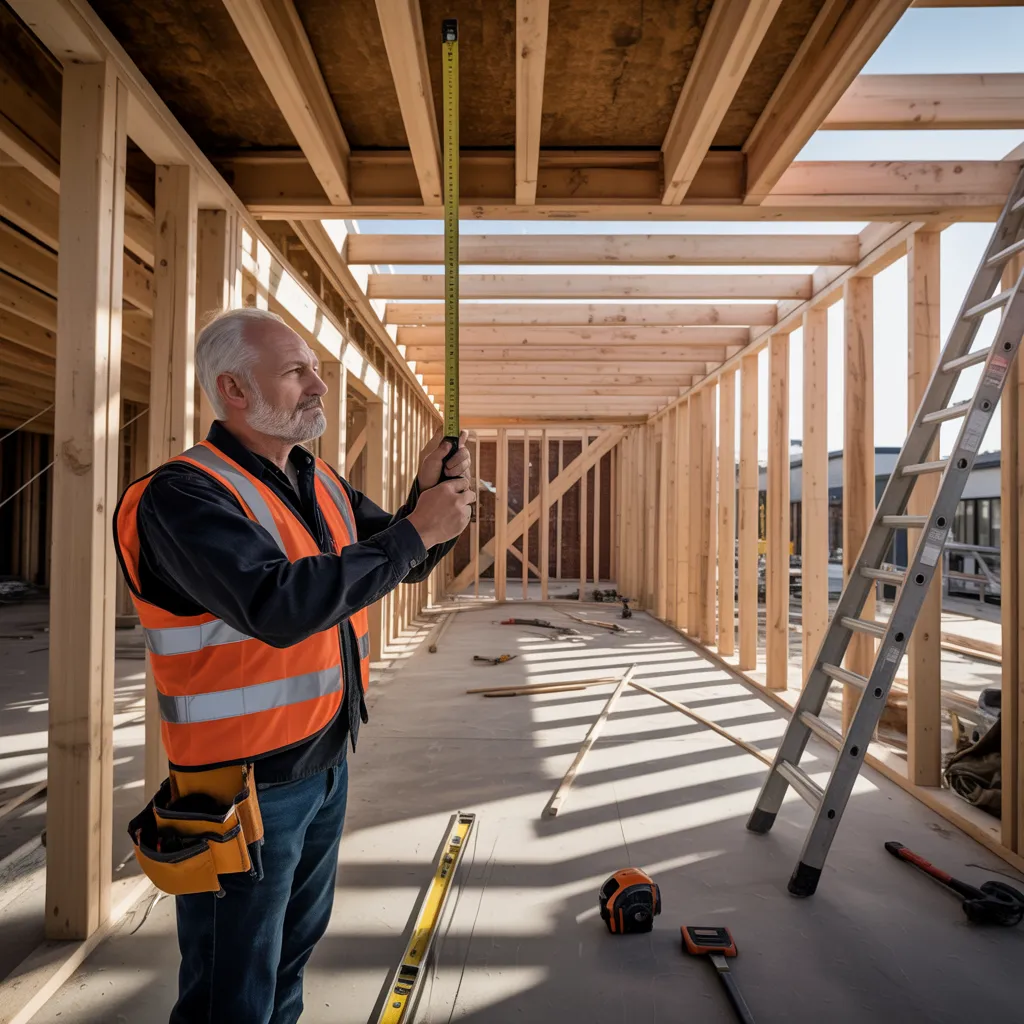
How General Contractors Enhance Commercial Project Efficiency
Though managing a commercial project might be intricate, general contractors play a critical role in streamlining the process. They work as the central point of coordination, overseeing numerous aspects such as scheduling, budgeting, and communication. By acting as the liaison between clients, subcontractors, and suppliers, general contractors guarantee that everyone remains coordinated and updated throughout the project lifecycle.
Their experience enables efficient resource allocation, minimizing delays and cost overruns. They additionally take care of permits, inspections, and regulatory compliance, which can frequently be burdensome for project owners. By handling these logistical challenges, they create a smoother workflow and maintain project momentum.
Moreover, general contractors bring valuable market knowledge, permitting them to identify qualified subcontractors and vendors. This not only boosts quality but also promotes a collaborative environment. Finally, their involvement reduces the complexities inherent in commercial projects, allowing stakeholders to focus on their core objectives.
Main Reasons to Hire a General Contractor for Your Home Project
Engaging a general contractor for a commercial project presents multiple strengths that can substantially improve the overall execution. Their skill in project management assures that timelines are achieved and quality is detailed information maintained, while also offering cost efficiency and potential savings. These strengths make a compelling case for utilizing a general contractor's services.
Professional Project Management
Navigating the complexities of commercial construction projects necessitates a deep understanding of project management, a skill set that general contractors have in abundance. Their expertise allows them to effectively coordinate multiple aspects of a project, from scheduling to resource allocation. General contractors streamline communication among stakeholders, guaranteeing that everyone is aligned with project goals and timelines. They foresee potential obstacles and implement solutions proactively, minimizing disruptions. With their vast experience, they also manage subcontractors proficiently, making certain that each trade completes its work on time and to the required standards. By focusing on quality control and adherence to regulations, general contractors safeguard the integrity of the project, ultimately producing a smoother construction process and a successful outcome for all parties involved.
Economic Benefits and Savings
Successful project management creates a focus on cost efficiency and savings, which are crucial in commercial construction. General contractors serve a critical function in achieving these financial targets. They leverage their comprehensive network of suppliers and subcontractors to negotiate better pricing on materials and labor. This purchasing power often results in significant cost reductions, which can be transferred to the client. Additionally, general contractors streamline project timelines, reducing potential delays and the associated costs. Their competence in budgeting enables recognition of potential financial issues early, allowing for proactive adjustments. Ultimately, hiring a general contractor not only elevates project quality but also confirms that financial resources are used effectively, maximizing overall savings for the client.
The Way General Contractors Efficiently Manage Project Timelines
While managing project timelines presents numerous challenges, general contractors use a variety of strategies to guarantee efficiency and adherence to deadlines. They begin by creating a comprehensive project schedule that outlines important milestones and deliverables, guaranteeing all stakeholders are aligned. Clear communication is essential; general contractors consistently update team members and clients to early on address potential delays.
Moreover, they deploy advanced project management software to monitor progress, oversee resources, and adjust timelines as necessary. By coordinating subcontractors and suppliers, general contractors optimize workflows, decreasing downtime and increasing productivity. Regular site inspections aid in confirm work adheres to the schedule, enabling swift identification of delays.
Additionally, foreseeing potential risks and formulating contingency plans helps general contractors to maintain momentum. By means of these strategic approaches, they not only sustain projects on track but also promote a proactive environment that encourages timely project completion, in the end enhancing client satisfaction and project success.
The Importance of Budgeting for Successful Projects
Budget planning serves as the basis of prosperous commercial construction projects, steering financial decisions and resource allocation. A properly organized budget offers a clear financial framework, ensuring that all stakeholders recognize the costs connected to labor, materials, and overhead. This transparency lessens the risk of unexpected expenses, which can compromise a project's timeline and profitability.
Additionally, strategic budgeting permits general contractors to organize spending and allocate resources optimally. By carefully monitoring budget adherence, they can spot potential cost overruns early and implement corrective measures. This proactive approach aids in preserving financial control and promotes trust among stakeholders and investors.
Furthermore, a thorough budget aids in strategic planning, empowering contractors to make informed decisions concerning subcontractor selection and procurement timelines. In the end, a strong budgeting process not only improves operational efficiency but also supports the overall success and sustainability of commercial construction projects.
Navigating Permits Through a General Contractor
Maneuvering the complicated landscape of permits is a crucial task for any commercial project. A general contractor plays an vital role in understanding local regulations, streamlining application processes, and ensuring compliance with safety standards. Their expertise not only facilitates timely approvals but also helps mitigate potential legal issues during construction.
Comprehending Regional Rules
Grasping local ordinances is crucial for any commercial construction undertaking, as it secures compliance and decreases delays. A general contractor has the expertise to navigate these complicated requirements, which may differ considerably by location. They guarantee that the endeavor follows zoning laws, building codes, and safety regulations. By employing a general contractor, businesses can evade potential legal complications and costly fines that stem from non-compliance. Additionally, these professionals maintain up-to-date knowledge of changes in local laws, making sure that all aspects of the undertaking align with current standards. This proactive approach not only expedites the construction process but also fosters positive relationships with local authorities, ultimately contributing to the undertaking's success and timely completion.
Streamlining Applicant Procedures
An experienced general contractor can considerably streamline application processes, most notably when it comes to securing required permits for commercial projects. Their knowledge with local regulations empowers them to navigate complex bureaucratic landscapes smoothly. General contractors maintain relationships with local authorities, which can speed up the approval process. They recognize the specific documentation requirements and timelines, making certain that all applications are completed precisely and submitted promptly. Additionally, their experience allows them to predict potential roadblocks and address them in advance, minimizing delays. By working with various stakeholders, including architects and engineers, general contractors facilitate smoother communication and collaboration, continually optimizing the efficiency of the permitting process. Essentially, their expertise transforms a potentially daunting task into a feasible one.
Guaranteeing Adherence and Safety
When managing commercial projects, guaranteeing compliance and safety through the permitting process is crucial, and a general contractor fulfills a key role in this aspect. General contractors possess comprehensive knowledge of local regulations and building codes, permitting them to navigate the complexities of obtaining needed permits. They ensure that all required documentation is precisely prepared and submitted punctually, minimizing the risk of delays. Additionally, general contractors coordinate inspections and address compliance issues in advance, which helps copyright safety standards all through the project. By overseeing these vital tasks, they not only safeguard the interests of the project owner but also foster a safer work environment for all involved. In the end, their expertise is crucial for successful project completion without legal or safety complications.
How General Contractors Support Communication Among Project Stakeholders
Clear communication amongst stakeholders is critical for the success of any commercial construction project, and general contractors play a critical role in facilitating this process. They serve as the principal liaison between various parties, including clients, architects, subcontractors, and suppliers. By establishing well-defined communication routes, general contractors ensure that all stakeholders are synchronized on project goals, timelines, and expectations.
Regular updates and meetings are organized by general contractors to examine progress and handle any concerns that may develop. They also leverage project management software to enhance communication, permitting stakeholders to access current information about project status and changes. Moreover, general contractors manage conflicts and misunderstandings, cultivating a collaborative environment that encourages problem-solving. This proactive approach not only boosts transparency but also builds trust among stakeholders, finally contributing to the efficiency and effectiveness of the whole construction process.
Choosing the Right General Contractor for Your Building Project
How do you choose the right general contractor for a commercial project? The selection process starts with thorough research. Those seeking services should look for contractors with proven track records and relevant experience in similar projects. Verifying references and reviewing past work can deliver insights into a contractor's reliability and quality of work.
Moreover, examining the contractor's financial stability is crucial, as it impacts their capability to complete projects within the allocated timeframe and budget. Communication skills should also be evaluated; an effective contractor establishes open lines of discussion with all stakeholders.
Furthermore, securing detailed bids from various contractors can assist in comparing rates and services available. It is essential to verify that the contractor maintains the proper licenses and insurance to protect against potential liabilities. Essentially, choosing the right general contractor rests on a combination of experience, communication, financial stability, and a clear understanding of project needs.
Common Questions
What Qualifications Are Important in a General Contractor?
In choosing a general contractor, one must prioritize insurance, licensing, experience, references, and a strong portfolio. Good communication skills and a solid understanding of timelines and project budgets are also vital for effective collaboration.
How Do General Contractors Handle Unanticipated Project Problems?
General contractors address unexpected project challenges by analyzing the situation, coordinating with stakeholders, and executing solutions promptly. Their experience permits them to modify plans, reassign resources, and secure project continuity while decreasing disruption and maintaining quality.
Do General Contractors Offer Help With Design Services?
Indeed, a general contractor can provide design services. They typically collaborate with architects and designers, ensuring that the project aligns with client vision, building codes, and budget parameters, enabling a smooth progression from design to construction.
What Is the Common Fee Structure for General Contractors?
Common fee structures for general contractors consist of a percentage of the total project cost, typically ranging from 10% to 20%, or a fixed fee per project. Some may also assess hourly rates for specific services.
How Do I Verify a General Contractor's References and Credentials?
To verify a general contractor's references and credentials, it's advisable to ask for documentation, contact prior clients for feedback, examine online reviews, and validate licensing and insurance through local regulatory bodies or trade associations.