Discover how a GC Can Enhance Efficiency and Success in Your Construction Endeavors
A GC is vital in the building sector. The contractor's skill simplifies project oversight, leading to improved performance and successful outcomes. By facilitating dialogue among project participants and utilizing their network with subcontractors, they assist complete information in navigating the complexities of building endeavors. Understanding local building codes also lessens potential legal problems. This brings up a key point: how do these factors combine to change construction methods?
The Role of a Commercial General Contractor
A commercial general contractor manages the intricate operation of building projects, ensuring that every aspect runs smoothly from start to finish. They serve as the main point of contact, liaising between various project participants, including owners, subcontractors, and suppliers. This role involves detailed planning, scheduling, and budgeting to adhere to project schedules and cost restrictions.
The contractor manages all building work, guaranteeing adherence with building codes, safety regulations, and standard specifications. They are responsible for obtaining necessary permits and managing any legal requirements related to the project. Moreover, they oversee the crew, giving jobs to tradesmen while watching output and productivity.
In addition to supervising site activities, the contractor addresses any issues or delays that arise, adapting plans as necessary to maintain the project schedule. This extensive oversight is vital for minimizing risks and ensuring the successful delivery of building endeavors.
Benefits of Employing a GC
Working with a general contractor yields several benefits that can greatly enhance the efficiency and success of a building endeavor. One major advantage is their proficiency in handling complex projects, enabling better communication among various parties involved. This unified approach lowers communication errors and helps avoid setbacks.
Moreover, general contractors possess established relationships with subcontractors and suppliers, securing quick access to high-grade supplies and qualified workers. This network often results in reduced expenses and more efficient timelines.
General contractors also offer a wealth of knowledge regarding local building codes and regulations, which prevents legal issues and expensive penalties.
Moreover, engaging a GC lets clients prioritize their core business activities, rather than getting bogged down in routine management duties. Taken together, the involvement of a general contractor often yields a more organized, efficient, and successful construction endeavor, thereby ensuring a higher return on investment.
Core Duties in Managing Projects
Good project oversight depends on several key responsibilities that a general contractor must copyright during the entire building phase. A primary aspect of this job is setting up a precise project outline, which specifies the goals, timelines, and budgetary constraints. The GC works closely with multiple groups, such as architects, specialized contractors, and material providers, guaranteeing seamless communication and collaboration.
Additionally, they oversee resource allocation, controlling manpower and supplies to maximize effectiveness. Evaluating risks is a further crucial task, as the contractor has to spot potential problems and implement strategies to mitigate them. Consistent tracking of progress is crucial; the contractor evaluates work completed against project milestones, making necessary changes to stay on track.
Moreover, a general contractor makes certain they follow safety rules and construction standards, creating a safe workplace. Through these responsibilities, they keep a detailed strategy in project oversight, ensuring positive outcomes in construction endeavors.
How General Contractors Ensure Timely Completion
While challenges in construction timelines are common, general contractors use careful planning and forward-thinking oversight to secure on-time delivery. They first establish comprehensive schedules that detail every stage of the project, including milestones and deadlines. By breaking the project into discrete units, they are able to assign resources efficiently and anticipate potential delays.
Regular progress monitoring is also a vital element; general contractors assess project status relative to the original plan, making modifications as required. They utilize risk mitigation, identifying potential obstacles early and creating backup strategies to mitigate disruptions.
Furthermore, general contractors keep solid connections with vendors and subs, ensuring that materials and labor are available when needed. This preemptive measure promotes ownership among all stakeholders, contributing to a streamlined workflow. In the end, these methods culminate in enhanced efficiency, minimizing the chance of cost overruns and ensuring that projects are completed on schedule.
Enhancing Communication and Teamwork at the Jobsite

To enhance communication and teamwork at job sites, GPs establish structured processes that facilitate information flow for everyone involved. Such procedures typically involve regular meetings, defined ways to report problems, and the application of technology that enable immediate status reports. By setting up a system for communication, contractors ensure that all stakeholders—architects, subcontractors, and workers—are aligned on project goals and timelines.
In addition, encouraging clarity aids in tackling problems immediately, minimizing the chance of misunderstandings that could result in postponements. Contractors also encourage feedback from every tier of personnel, recognizing that insights from jobsite staff can greatly enhance project effectiveness. By making communication a priority and collaboration, general contractors don't just simplify procedures but also boost employee satisfaction, ultimately contributing to the success of construction endeavors. The result is a more cohesive work environment where challenges are met with shared solutions.
Frequently Asked Questions
What Qualifications Should I Look for in a General Contractor?
When looking for a GC, one should focus on credentials such as proper licensing, insurance, a history in similar jobs, excellent recommendations, and effective communication skills. These factors contribute greatly to smooth project delivery and overall client satisfaction.
What is the Process for GCs Regarding Project Budgeting?
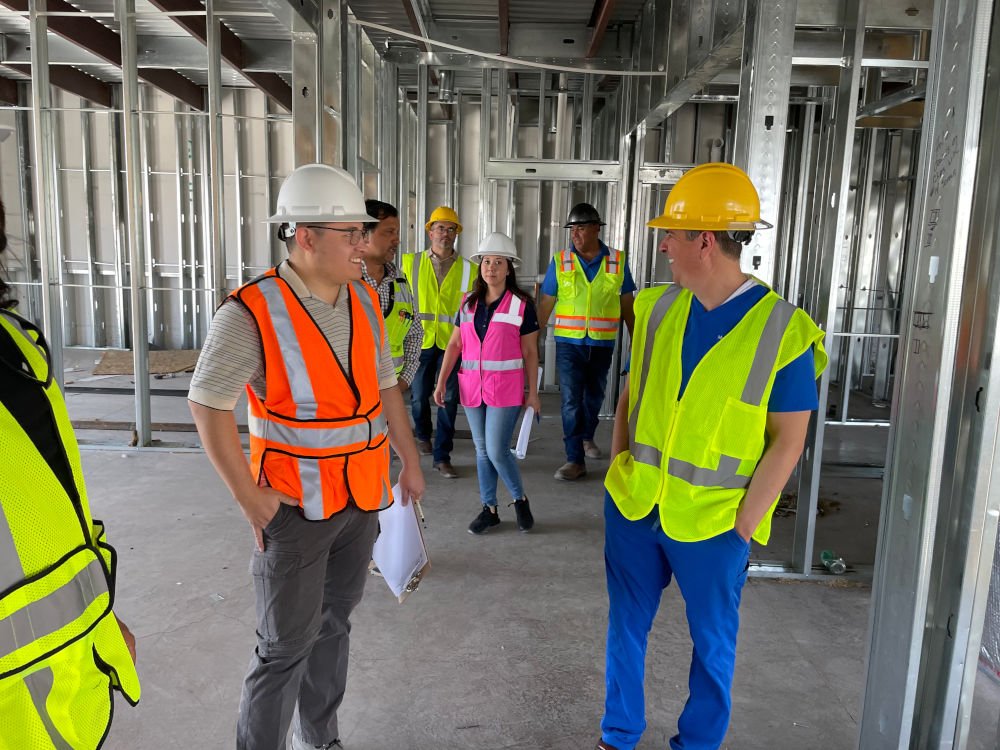
General contractors oversee project costs by determining prices, securing bids from subcontractors, keeping tabs on spending, and modifying budgets when needed. Hickory top rated Commercial General Contractor. They make certain that money match the job's needs, maximizing efficiency and minimizing financial risks
Can a General Contractor Assist With Permits and Regulations?
Absolutely, a GC is able to help with permits and regulations by providing direction on the difficult mandates, guaranteeing adherence to local regulations, and streamlining the submission procedure, thereby accelerating the project and lessening the chance of client postponements.
How Long Does It Usually Take for Retaining a Building Contractor?

The usual duration for hiring a general contractor spans a few weeks to several months, based on the complexity of the project, contractor availability, and how quickly the client makes decisions, which ensures proper planning and that goals are aligned with construction. - Hickory top rated Commercial General Contractor
- Hickory top rated Commercial General Contractor
How Can General Contractors Effectively Manage Subcontractors?
General contractors manage subcontractors effectively by ensuring communication is clear, setting defined expectations, regularly monitoring progress, and aligning timelines. They guarantee that all parties understand their roles, fostering collaboration to maintain project timelines and quality standards.